
Protect production. Plan smarter transitions.
Energy, climate and supply pressures compete for the same capital. Climate Ltd brings site, energy, product and supplier evidence into one reviewed model so manufacturers can compare efficiency, electrification and resilience options on the same terms.
What makes this sector hard
Energy costs, process emissions and electrification options are rarely compared on one basis.
Product, material and supplier data sits in ERP exports, spend files and spreadsheets.
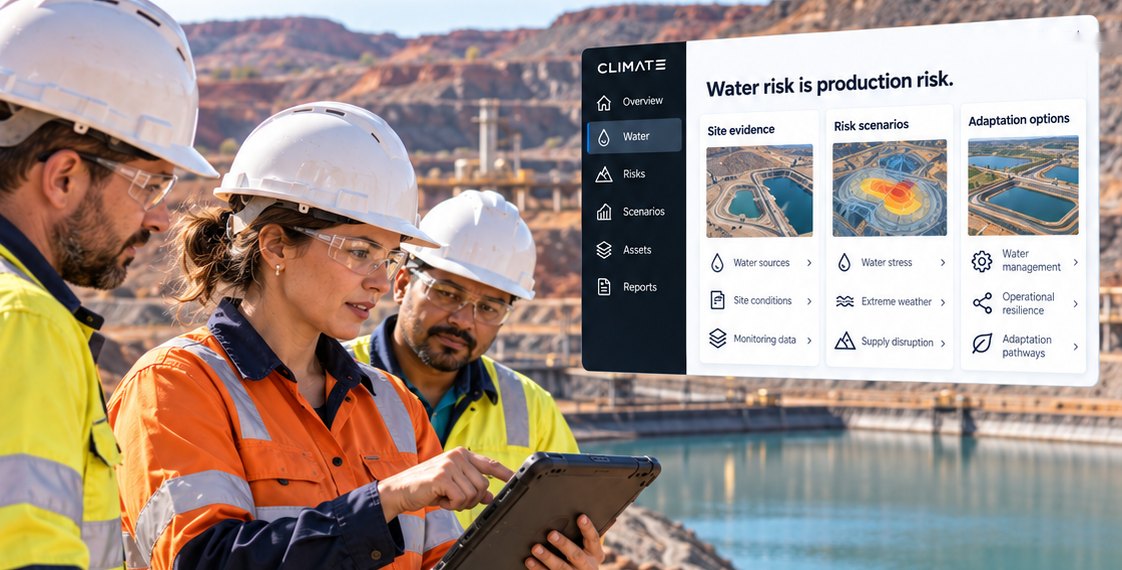
Heat, flooding and supply disruption can interrupt production before they reach a risk register.
The agents that matter for manufacturing
Data Collection
Bring meters, utility bills, ERP and spend records into one reviewed evidence base instead of re-collecting for every request.
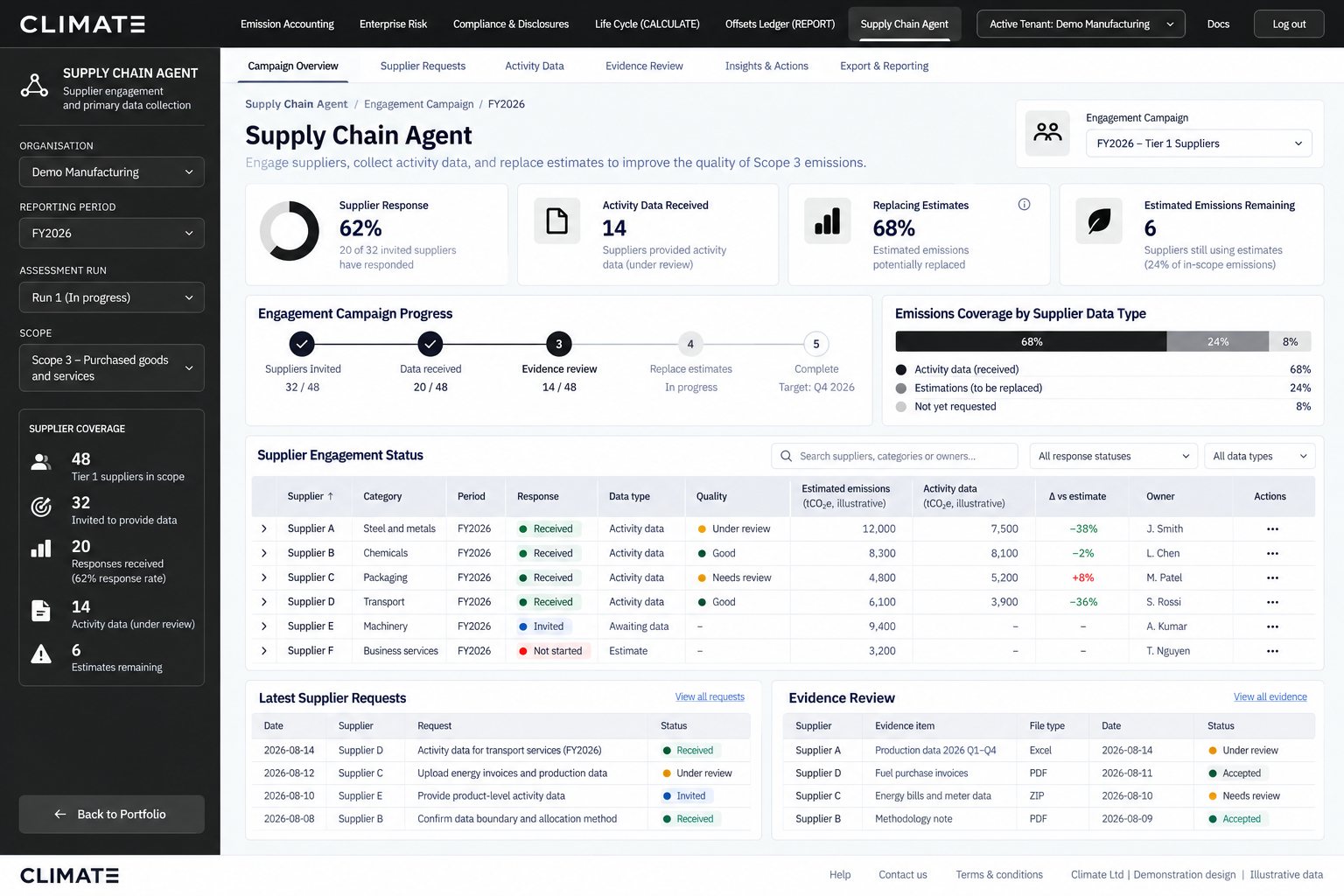
Emissions Ledger and Supply Chain
Maintain a Scope 1, 2 and 3 inventory and target supplier engagement where better activity data would change the answer.
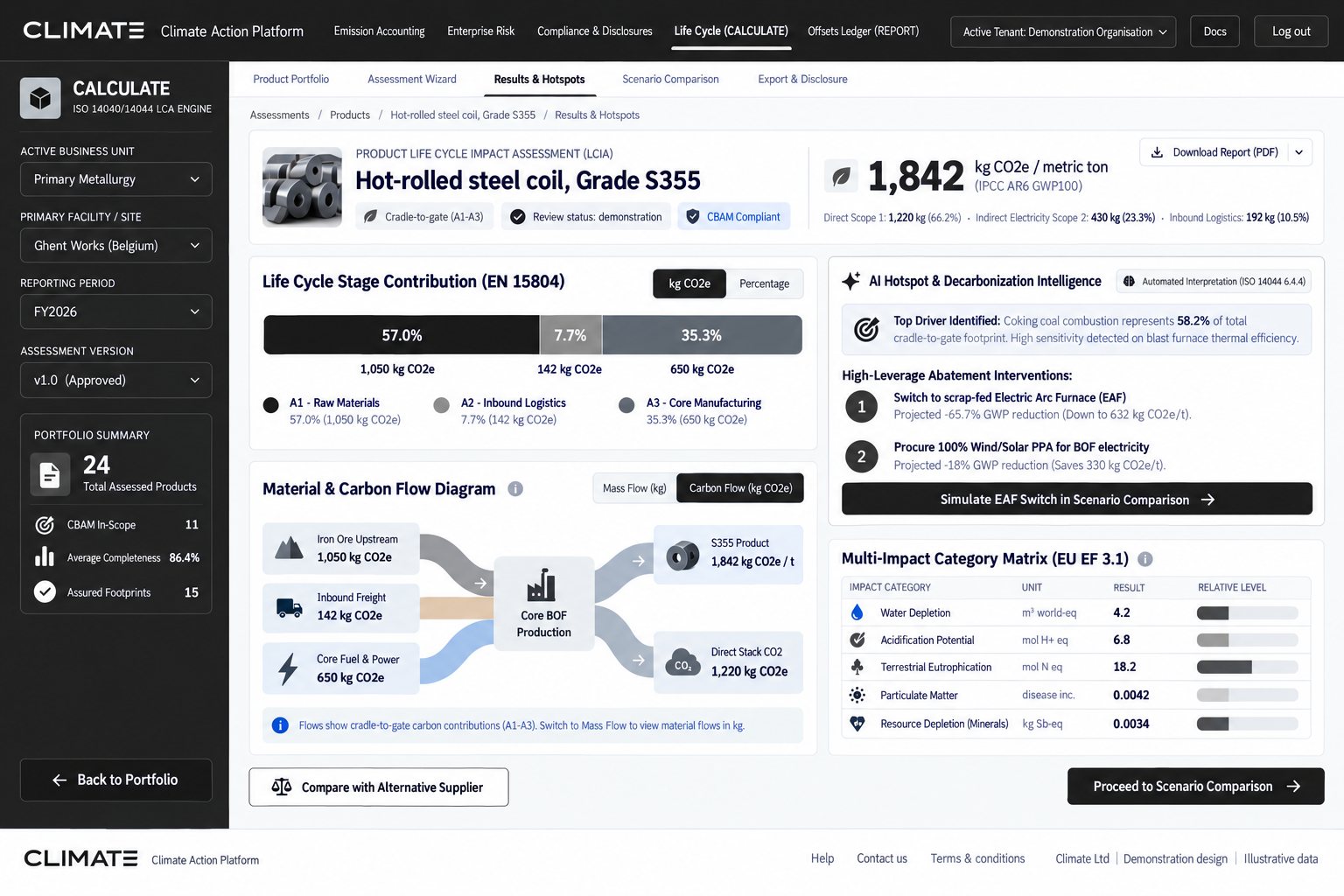
Life Cycle
Find product and material hotspots and compare design, material and sourcing alternatives with a documented basis.
Abatement and Financial Impact
Compare efficiency, electrification and renewable options by cost per tonne, then translate the preferred options into OpEx, CapEx and cash-flow terms.

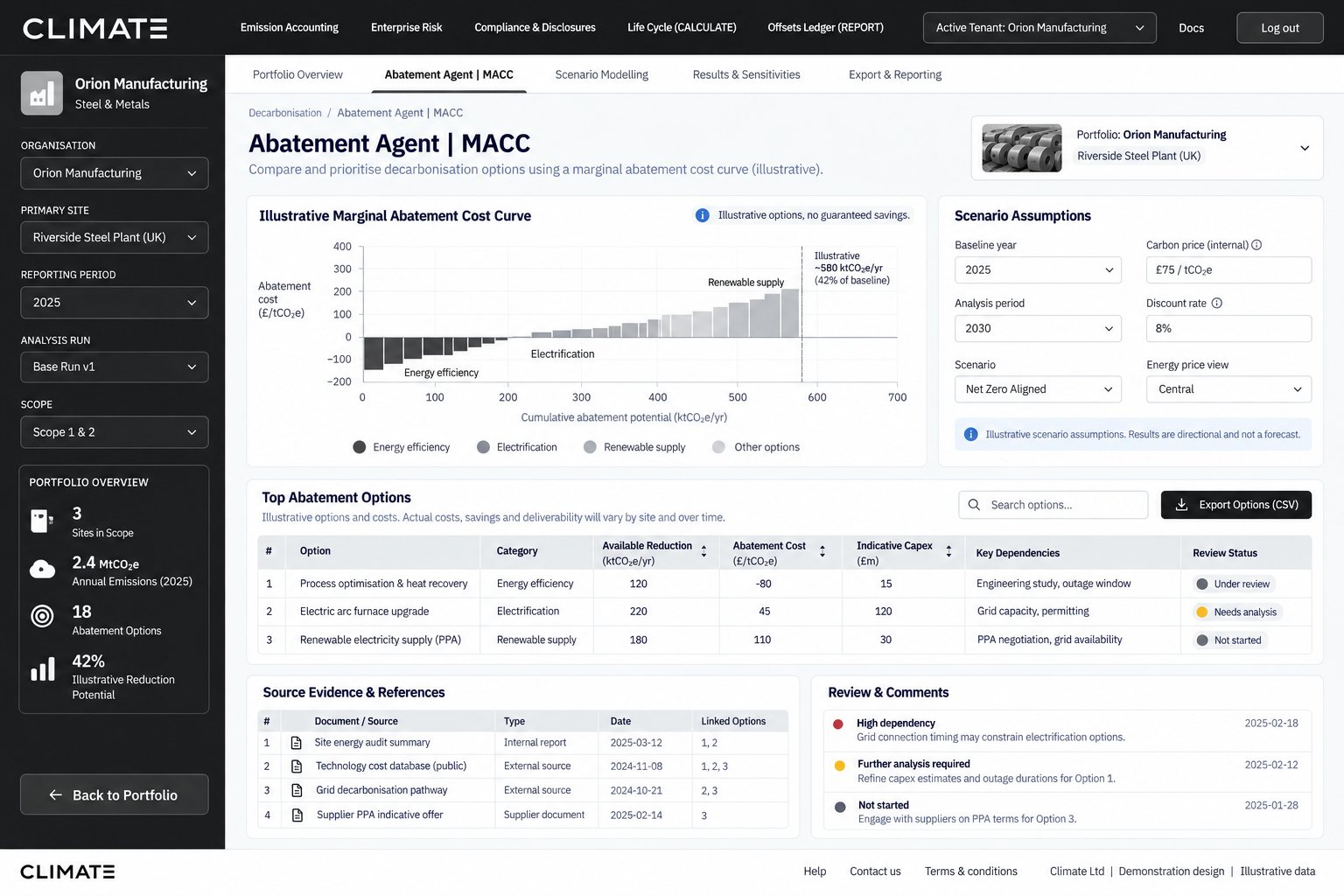
Better-supported production and capital planning.
Start with the decision
- Which sites and processes drive our emissions and energy cost?
- What would electrification or efficiency really cost under different energy-price paths?
- Which products, materials and suppliers are the hotspots?
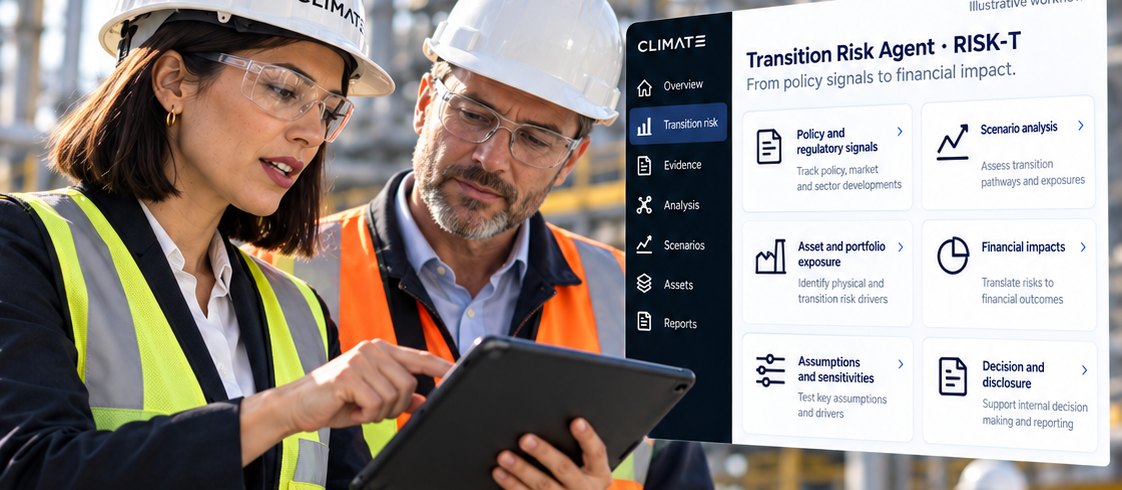
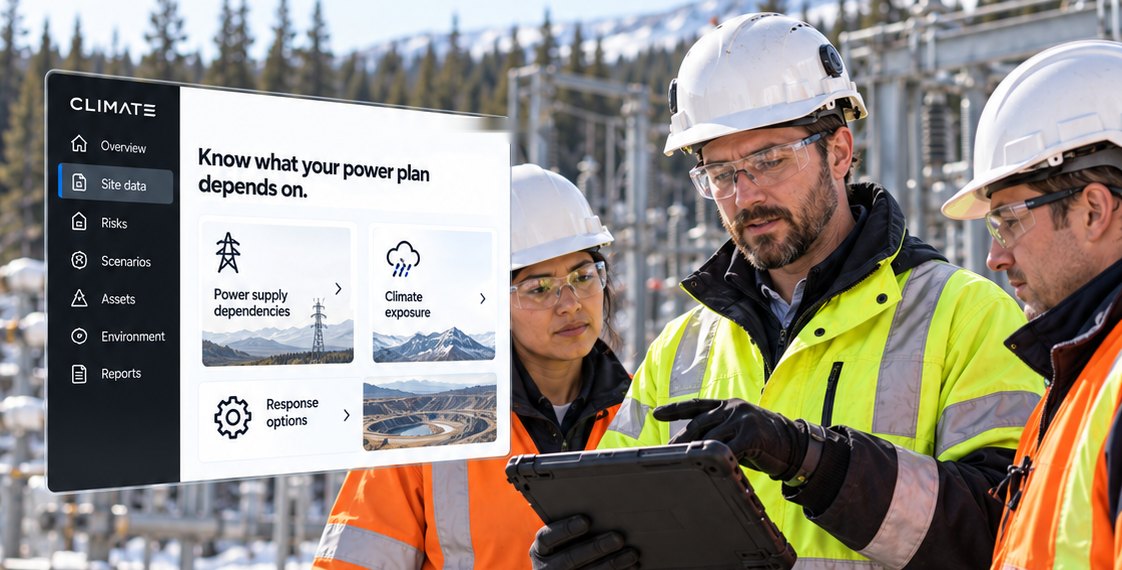
- Which plants are most exposed to heat, flooding or supply disruption?
One problem, one invitation
Inventory work follows GHG Protocol boundaries; product work uses an ISO 14040/14044-aligned approach. For CBAM-related work, the specific embedded-emissions rules are assessed separately.
Screens used in this workflow
Abatement
Life Cycle
Supply Chain
Bring one manufacturing question. We will show the workflow.
Start with an emissions inventory, a physical-risk assessment, a PCAF portfolio, a TNFD scope, a water-risk question, a disclosure programme or a client advisory workflow.
Request a demo